


Drought and silting in the Amazon River and their impact on navigation
The Amazon region’s natural hydrological cycle includes rainy and dry periods. The dry season usually runs from September to December. During this period, the waters recede, exposing vast areas of land.
In addition, the rivers of the Amazon basin carry huge amounts of sediment that are deposited in the Amazon River, creating sediment pockets.
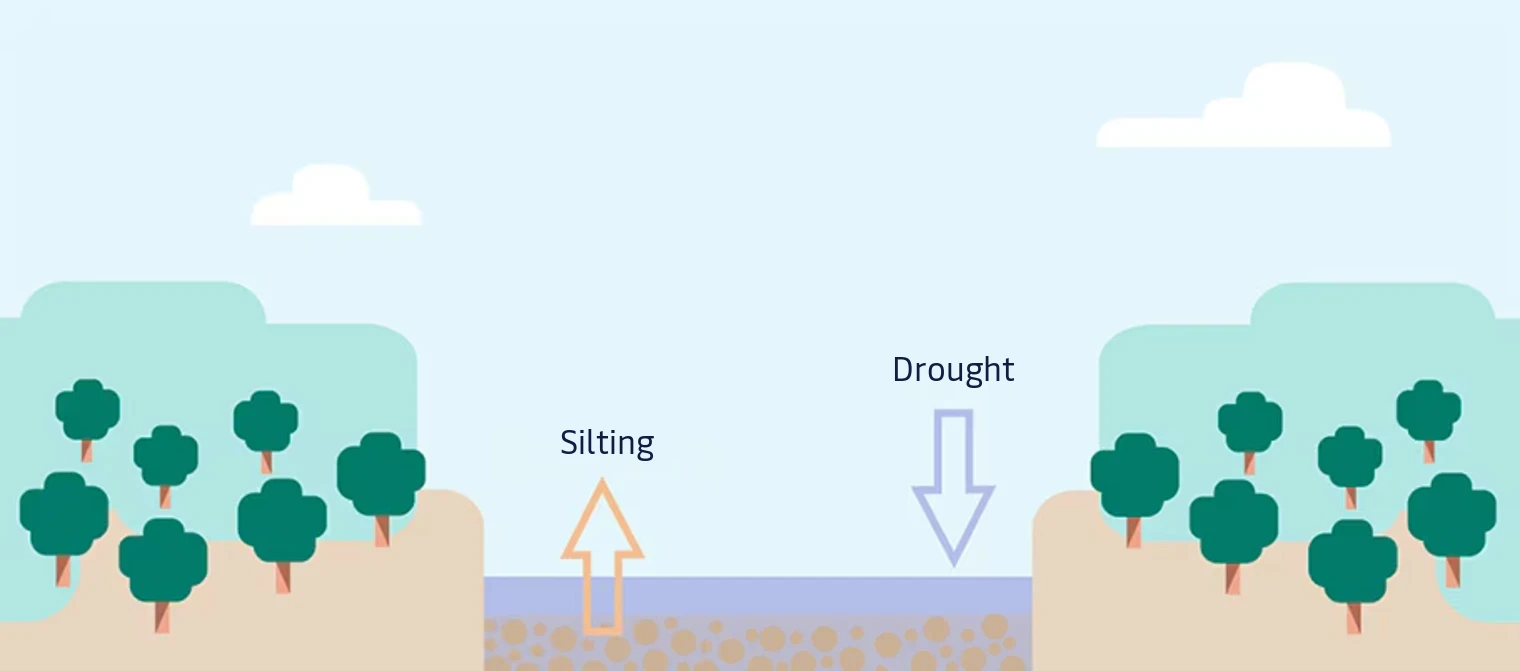
Drought
The rainfall cycle in the region plays a vital role in regulating the Amazon ecosystem. Rising global temperatures have influenced this cycle, leading to variations in rainfall and more intense dry periods. In 2023 and 2024, we had the most intense droughts of the last 10 years.
These changes have a direct impact on navigability in the Amazon basin.
Silting
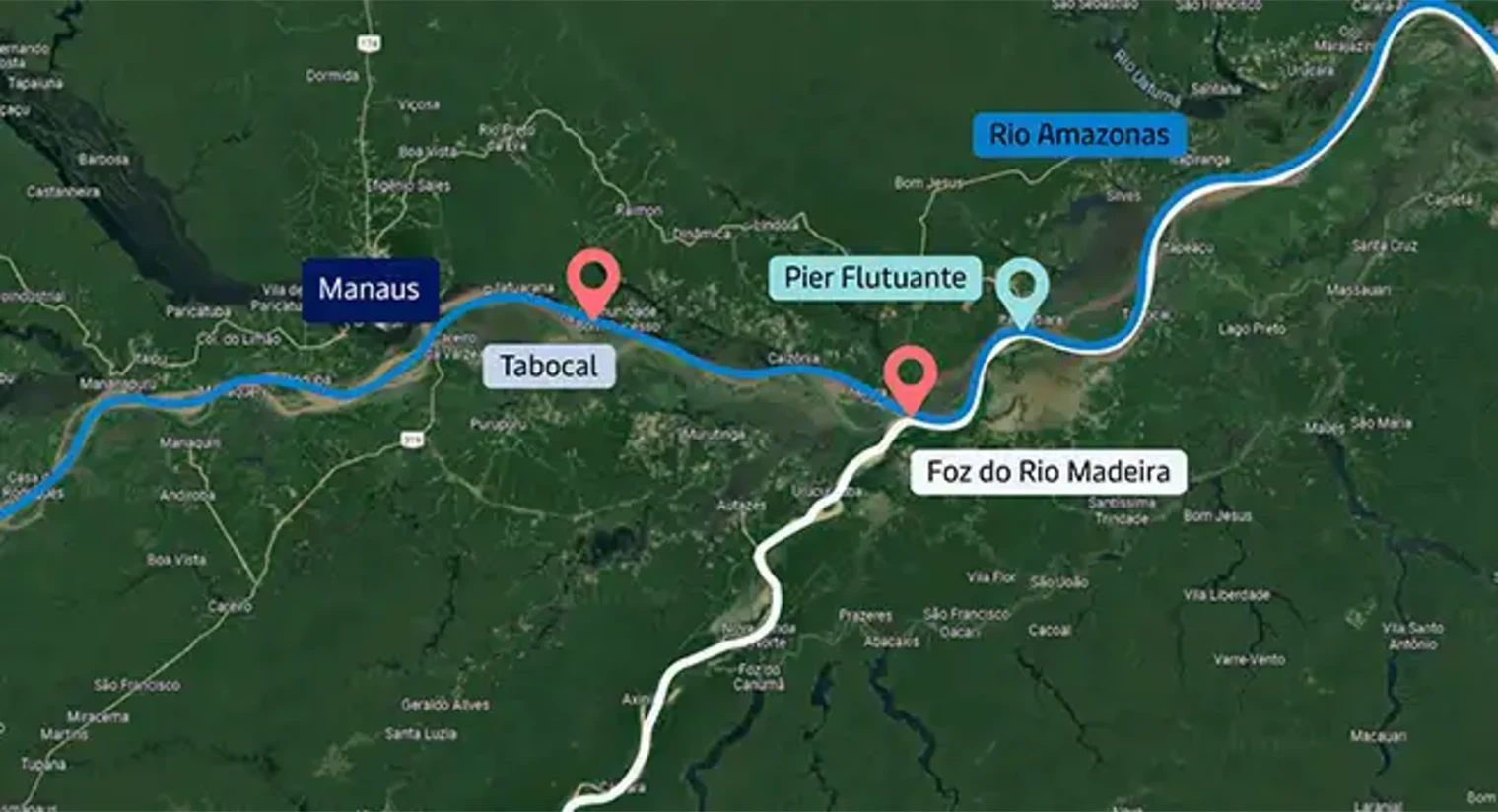
Silting is the process by which rivers accumulate sediment and solid material on the bottom, making them shallower. This phenomenon affects both the environment and waterway transport infrastructure. In 2023 and 2024, increasing erosion contributed to more silting of the Madeira River, which made navigation more difficult.
The combination of these two phenomena, drought and silting, made the situation in the region worse.
Sources of information
Aliança closely and regularly monitors information on river floods and ebbs in the Amazon region, based on readings from the gauges of the Brazilian National Water Agency (ANA), on ongoing analysis of how the ebb is evolving in the region and on soundings taken by our ships. We also follow all the ordinances of the Western Amazon River Port Authority (Capitania Fluvial da Amazônia Ocidental) and reaffirm our commitment to transparency, responsibility and the constant effort to mitigate operational impacts.
Drought Notices
-
August 28, 2026 (in Portuguese)
 Notice of August 28, 2026, PDF in Portuguese (opens in a new tab)
-
September 11, 2026 (in Portuguese)
Notice of September 11, 2026, PDF in Portuguese (opens in a new tab)
-
September 22, 2026 (in Portuguese)
Notice of September 22, 2026, PDF in Portuguese (opens in a new tab)